

glass window panes
Precision Granite Master Square The Benchmark of Accuracy in Metalworking In the realm of precision measurement tools, few items are as essential as the granite master square. The precision granite master square is a highly regarded instrument in metalworking and machining, revered for its accuracy and reliability. This tool serves as a cornerstone for ensuring that parts and assemblies meet stringent tolerances, making it indispensable in fields ranging from engineering to woodworking. Understanding the Granite Master Square At its core, the granite master square is a L-shaped tool made from high-quality granite. The choice of granite as the material stems from its unique properties it is dense, stable, and resistant to wear and deformation. Unlike metal squares that can warp or lose their edges over time, a granite master square maintains its precision across years of use. This stability is crucial for achieving consistent and accurate results, especially in environments where temperature variations and heavy usage might compromise other measurement tools. Design and Features A typical precision granite master square includes two arms that meet at a right angle. Each arm is meticulously ground and polished to create a flat surface that is uniform and devoid of imperfections. The edges are crafted to be sharp and true, allowing for accurate height measurements and alignment checks . The surface finish of a granite master square is pivotal; the finer the finish, the more accurate the reading. Many granite master squares come with engraved calibration markings. These markings assist professionals not only in making accurate measurements but also in quickly assessing the dimensions of workpieces. The clear visibility of these markings is crucial during detailed work where precision is paramount. Applications in Metalworking precision granite master square The granite master square has a variety of applications in the metalworking industry. It is often used for setting up machinery, checking squareness in machining operations, and verifying the accuracy of manufactured parts. For instance, when fabricating a new component, a machinist can use the granite master square to ensure that the corners of the piece are perfectly square. This verification step helps prevent problems down the line, such as misalignment or difficulties during assembly. Another critical use of the granite master square is in quality control processes. Inspectors rely on this tool to measure critical dimensions and geometrical features of parts. By ensuring that components adhere to required specifications, manufacturers can maintain high standards and reduce waste caused by defective parts. Benefits of Using a Granite Master Square One of the most significant advantages of using a precision granite master square is its accuracy. For many metalworkers, even a small deviation can lead to catastrophic failures in assembly or function. The granite master square provides the level of precision necessary to avoid such outcomes. Additionally, its robust nature means that it can withstand the rigors of a machine shop environment without losing its measuring properties. Moreover, granite master squares are relatively low maintenance compared to other measuring tools. They do not require recalibration as frequently as dial indicators or other electronic devices, making them a cost-effective choice for workshops looking to maintain a high level of efficiency. The non-porous surface of granite also makes it resistant to oil and contaminants, which is particularly advantageous in environments where exposure to substances could affect measurement integrity. Conclusion In conclusion, the precision granite master square stands as a symbol of accuracy and reliability in the metalworking industry. Its stable properties, precision manufacturing, and multifaceted applications make it an essential tool for both machinists and quality control inspectors. Investing in a high-quality granite master square is not just about acquiring a measuring tool; it's about ensuring the success of precision work and upholding standards of excellence. As the demand for precision in manufacturing continues to grow, the granite master square remains a fundamental instrument, quietly enabling the creation of high-quality parts and products that define the modern industrial landscape.
about
glass window panes
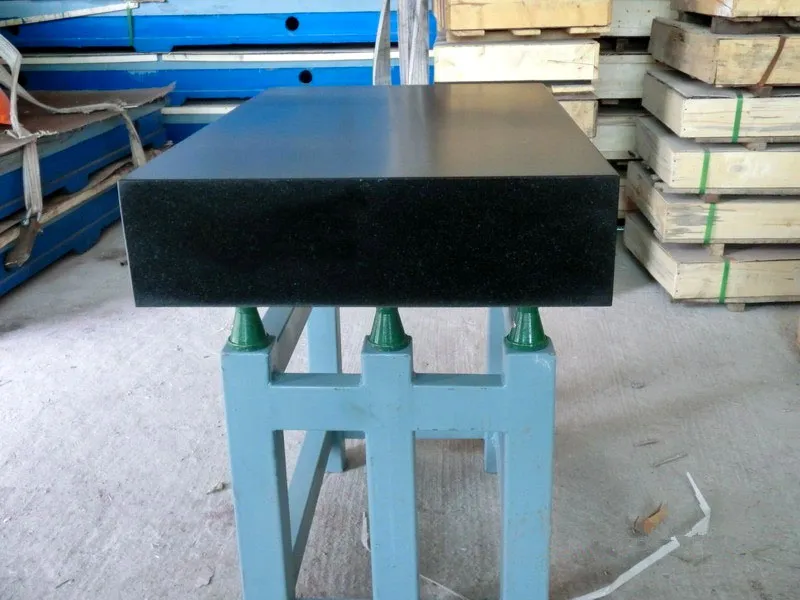
The Importance of Stone Surface Plates in Modern Metrology In the world of metrology, precision is paramount. Engineers and technicians alike understand that the accuracy of measurements can have a profound impact on product quality and performance. Among the various tools employed in this quest for precision, stone surface plates stand out as essential instruments. These flat, stable surfaces offer an unparalleled foundation for inspection, calibration, and assembly processes. What are Stone Surface Plates? Stone surface plates are flat, rigid slabs typically made from natural stone, such as granite, or high-quality synthetic materials. They are designed to provide a stable and accurate reference plane for measuring instruments. The most common application of stone surface plates is in quality control environments, including manufacturing plants and laboratories, where precise measurements are crucial. Material Considerations Granite is the preferred material for most surface plates due to its excellent properties. Its durability, resistance to wear, and ability to maintain flatness over time make it ideal for metrology applications. Additionally, granite offers thermal stability, which is crucial when working with varying temperatures in industrial settings. Unlike metal plates, granite does not expand or contract significantly with temperature changes, ensuring that measurements remain consistent and accurate. Flatness and Accuracy The primary function of a stone surface plate is to provide a flat reference surface. The flatness of these plates is measured in terms of shape tolerance, which specifies how much deviation from absolute flatness is permissible. Premium quality granite plates can achieve tolerances of just a few microns. This level of precision is essential for high-stakes applications, such as aerospace and automotive industries, where even minor inaccuracies can lead to significant consequences. Applications of Stone Surface Plates stone surface plate Stone surface plates are utilized across various industries for numerous applications. They are primarily used in 1. Inspection and Quality Control By placing components on a surface plate, inspectors can gauge their dimensions using calipers, micrometers, and height gauges. The flatness and stability of the plate ensure that measurements taken are both accurate and repeatable. 2. Calibration Surface plates are often employed as reference standards for calibrating measuring instruments. By comparing the measurements of calibration tools against the stable surface, technicians can ensure that their instruments function correctly. 3. Assembly and Machining In assembly processes, ensuring that parts fit together accurately is crucial. Stone surface plates provide a level surface where parts can be securely positioned and checked for alignment, simplifying complex assembly tasks. 4. Tool and Die Making In toolmaking, precision is vital. Surface plates provide a stable base for the manufacture and assembly of tooling components, ensuring that all parts align correctly before finalization. Maintenance and Care To ensure longevity and continued accuracy, regular maintenance of stone surface plates is crucial. Cleaning the surface with non-abrasive materials helps to avoid scratches that could affect flatness. Additionally, periodic checkups using level gauges or laser alignment tools can help detect any deviations from flatness over time. Should a plate become chipped or scratched, resurfacing may be required to restore its precision. Conclusion Stone surface plates are indispensable in the world of precision measurement and quality control. Their ability to provide a flat, stable, and durable reference surface enables manufacturers to maintain high standards of accuracy in their products. As industries continue to evolve and demand greater precision, the role of stone surface plates will only expand, underscoring their significance in modern metrology practices. By prioritizing the use of these essential tools, businesses can enhance their performance, ensure product quality, and maintain a competitive edge in today's global marketplace.
-

High quality industrial productsagement

High quality industrial products
View Details -

Meet the diverse needs of customers

Meet the diverse needs of customers
View Details -

Strict quality control

Strict quality control
View Details -

Top raw materials

Top raw materials
View Details -

Trusted supplier

Trusted supplier
View Details
Our application



news and information
Using stamped truss nails for plate connection.
The Significance of Stamping in Truss Nail Plate Technology In the realm of construction and woodwo
Versatile mushroom-shaped rebar cap with multiple functions
The Multi-Function Mushroom Rebar Cap Revolutionizing Construction Efficiency In the dynamic world
Versatile and Compact Welding Workbench for Efficient Metal Fabrication
The Portable Welding Table A Essential Tool for Welders In the dynamic world of metalwork and fabric
 English